

Understand what a rice-and-curry meal includes, how to order without waste and which questions to ask about ingredients.
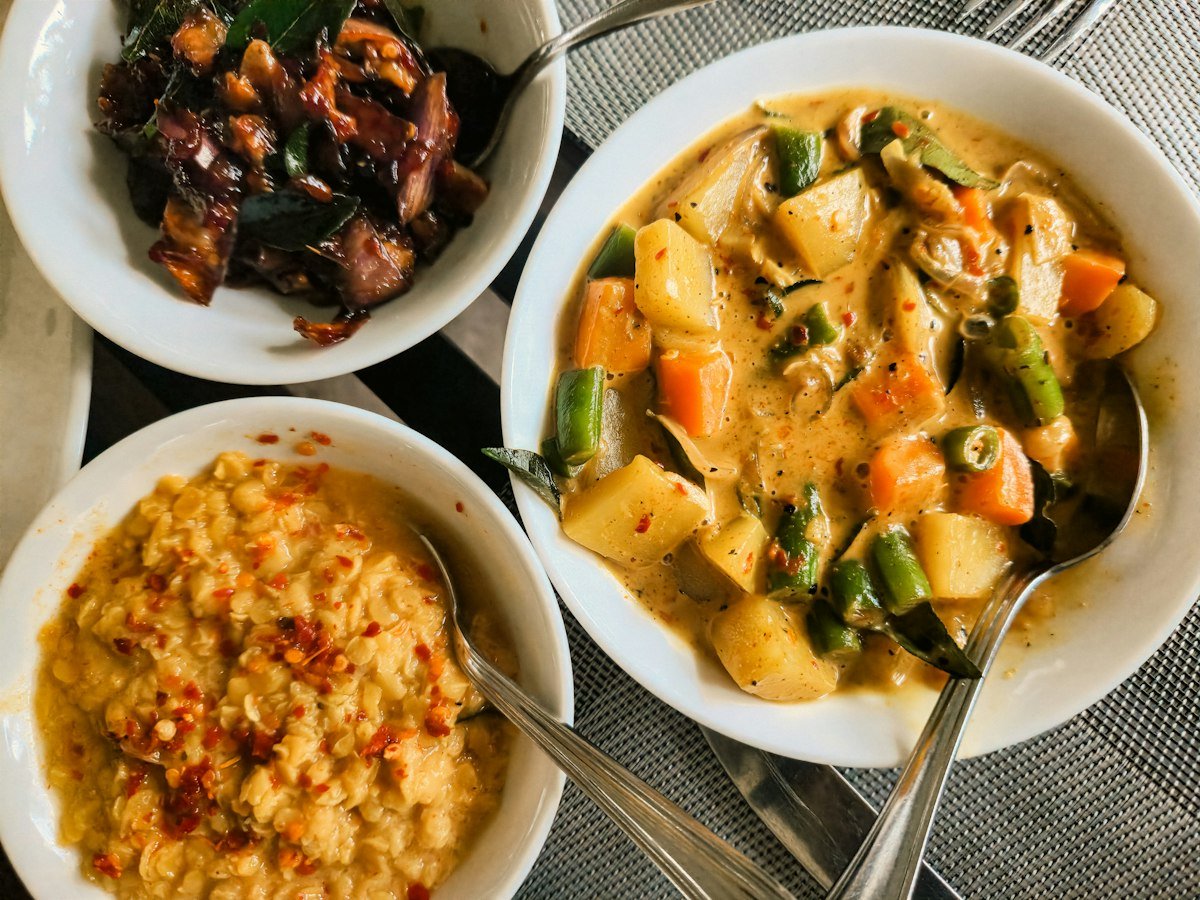
Think of the meal as a selection
Rice and curry usually brings rice together with a selection of accompaniments rather than one universal recipe. Sri Lanka Tourism describes variations involving vegetables, fish or meat, lentils, sambols and other additions. The exact plate depends on the establishment and what is being prepared.
Ask what is included today. A display, set menu or server’s explanation can be more useful than assuming that a meal will match one you ate elsewhere. This is part of the pleasure of the dish: the combination can change from kitchen to kitchen.
Clarify the order before it reaches the table
Find out whether the meal is priced per person, per plate or as shared dishes. Ask whether a fish or meat selection is included or charged separately. If you are sharing, explain the number of people and ask about portion size rather than ordering several complete meals automatically.
Confirm any extra charge before requesting additional dishes. Clear questions are practical for both the visitor and the kitchen. They also reduce the temptation to judge a bill against a price remembered from a different town or a different type of restaurant.
Taste the components individually
Begin with small portions so you can understand the flavours and heat of each accompaniment. Add stronger sambols gradually. A mild curry and a spicy condiment can sit on the same table; labelling the whole meal simply mild or hot misses that distinction.
If you prefer less chilli, ask which prepared dishes are naturally milder. A kitchen may not be able to remake a curry that has already been cooked. Being flexible about the selection can work better than expecting every item to be changed at the last moment.
Vegetarian and other dietary questions
Describe the ingredients you avoid. A vegetable-based dish may still require a question about seasoning or stock, and a shared serving spoon may matter to someone with a serious allergy. Ask separately about sauces and condiments instead of stopping at the main dish.
People seeking halal food should confirm the relevant ingredients and preparation with the establishment; a fish or vegetable option alone does not verify the practices of the whole kitchen. Where certification matters to you, check the actual certification rather than relying on a general description in a travel article.
Enjoy the meal without over-ordering
Order according to appetite, especially before a long journey or an afternoon outdoors. You can usually make a better decision about another portion after seeing the first serving. Ask what is available rather than treating leftovers as the price of trying local food.
For a slower experience, choose a day when lunch does not compete with a transport connection. Ask polite questions about an unfamiliar vegetable or preparation if the staff have time. The meal is an opportunity to learn about a kitchen’s choices, not a test of how many dishes a traveller can name.
This article explains ordering and does not recommend a particular restaurant or claim that its food has been inspected.
Destination guides · Food & drink · Plan your trip · Responsible travel
Sources and editorial notes
Researched by LankaLiving, 5 October 2026. Planning suggestions are editorial examples, not firsthand inspection reports. Confirm changing access, prices and schedules directly. Editorial policy.
