

Organise a Polonnaruwa visit with a clear route, transport suited to your group and time for the archaeological setting.
Begin with historical context
UNESCO recognises the Ancient City of Polonnaruwa as a World Heritage property. Its description identifies the city as Sri Lanka’s second capital after Anuradhapura and highlights the monumental remains associated with the twelfth-century garden city. That context gives individual monuments a place in a larger story.
Before arriving, choose a reliable introduction or arrange a knowledgeable guide. Understanding how religious buildings, royal structures and water infrastructure relate to one another can make the visit more meaningful than collecting a photograph at every stop.
Make a route from your interests
Sri Lanka Tourism’s destination overview includes the museum, the Quadrangle and Lankatilaka among the places to explore. Use these as research starting points, then check current access and visitor arrangements. You do not need to include every named monument in one day.
Ask a guide to explain the proposed route and the amount of walking involved. If travelling independently, obtain a current map and identify where you will begin, pause and finish. Keep the last part of the day optional so that heat, rain or a longer-than-expected visit does not turn the outing into a race.
Choose transport for comfort
Compare a vehicle-supported visit with cycling only after considering the actual route and your group’s abilities. Ask where vehicles can enter or wait, and how far the walks between drop-off points and monuments will be. Verify bicycle condition and the return arrangement if renting.
Travelling with children or someone who needs regular rests changes the practical calculation. A route that works for an energetic solo traveller may be frustrating for a mixed group. Choose fewer stops and make breaks explicit instead of hoping everyone can keep the same pace.
Respect the remains and religious imagery
Use permitted paths and follow instructions at individual sites. Do not climb structures, sit on protected remains or move barriers for photographs. Observe requirements relating to footwear, dress and images of the Buddha.
For portraits, choose a permitted setting and ask your guide if you are uncertain about local expectations. The aim is to remember the visit without placing pressure on the site or disturbing other visitors. Keep food and litter contained, and use designated facilities where provided.
Leave time to understand what you saw
Schedule a meal and a pause before an onward journey. Discuss the day’s most interesting features while they are fresh rather than adding another distant attraction immediately. If you have a particular interest in archaeology, ask about a longer visit with a specialist guide before booking.
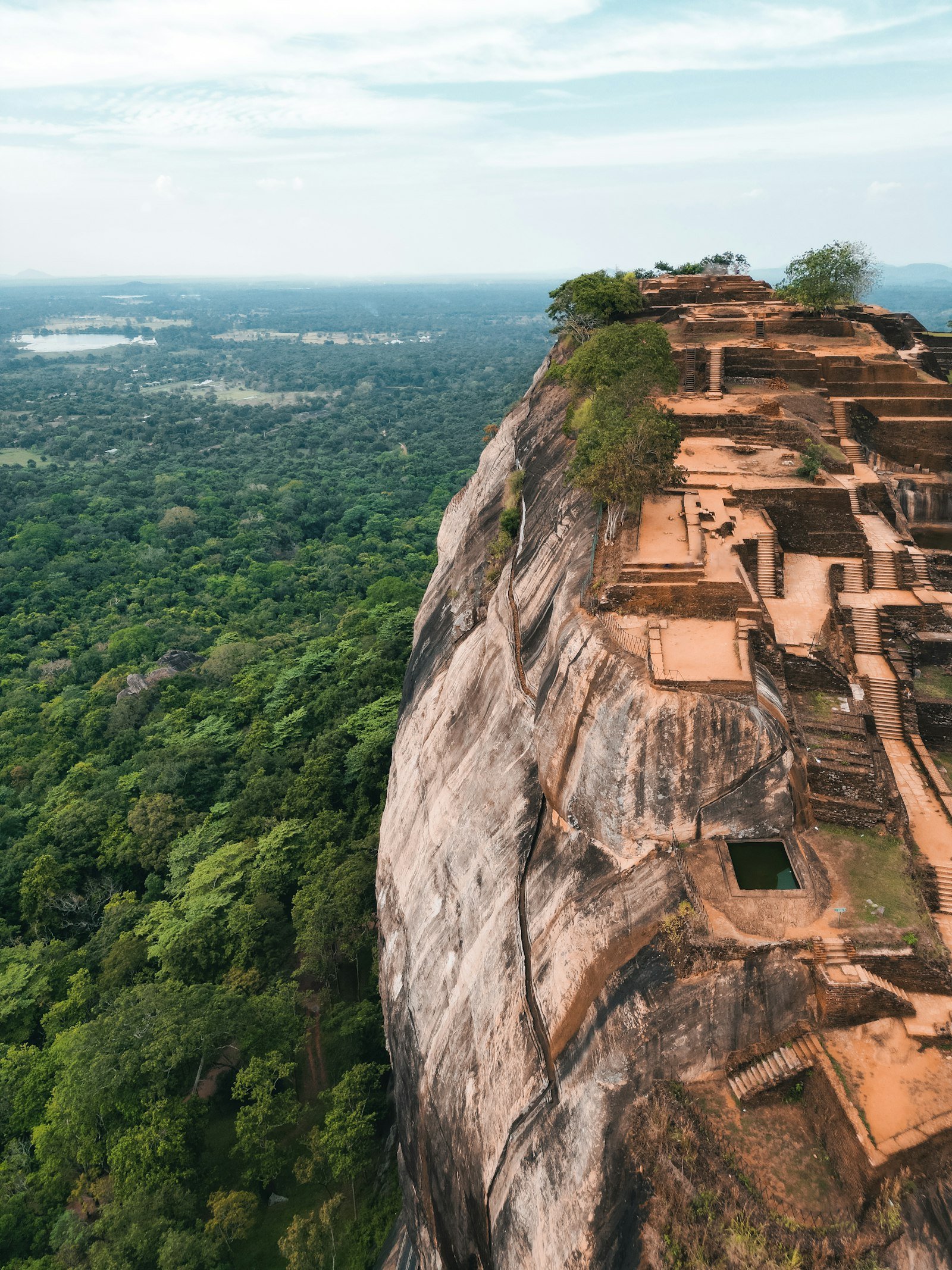
Confirm current admission arrangements directly. Prices, opening times and access can change and are not asserted here. The illustration shows Sigiriya in the wider Cultural Triangle, not the ruins of Polonnaruwa; it should not be used to identify monuments on your route.
Destination guides · Food & drink · Plan your trip · Responsible travel
Sources and editorial notes
Researched by LankaLiving, 5 October 2026. Planning suggestions are editorial examples, not firsthand inspection reports. Confirm changing access, prices and schedules directly. Editorial policy.
