

Pack around your actual route with light layers, respectful clothing, practical footwear and a useful day bag.
Pack for the route, not a single climate
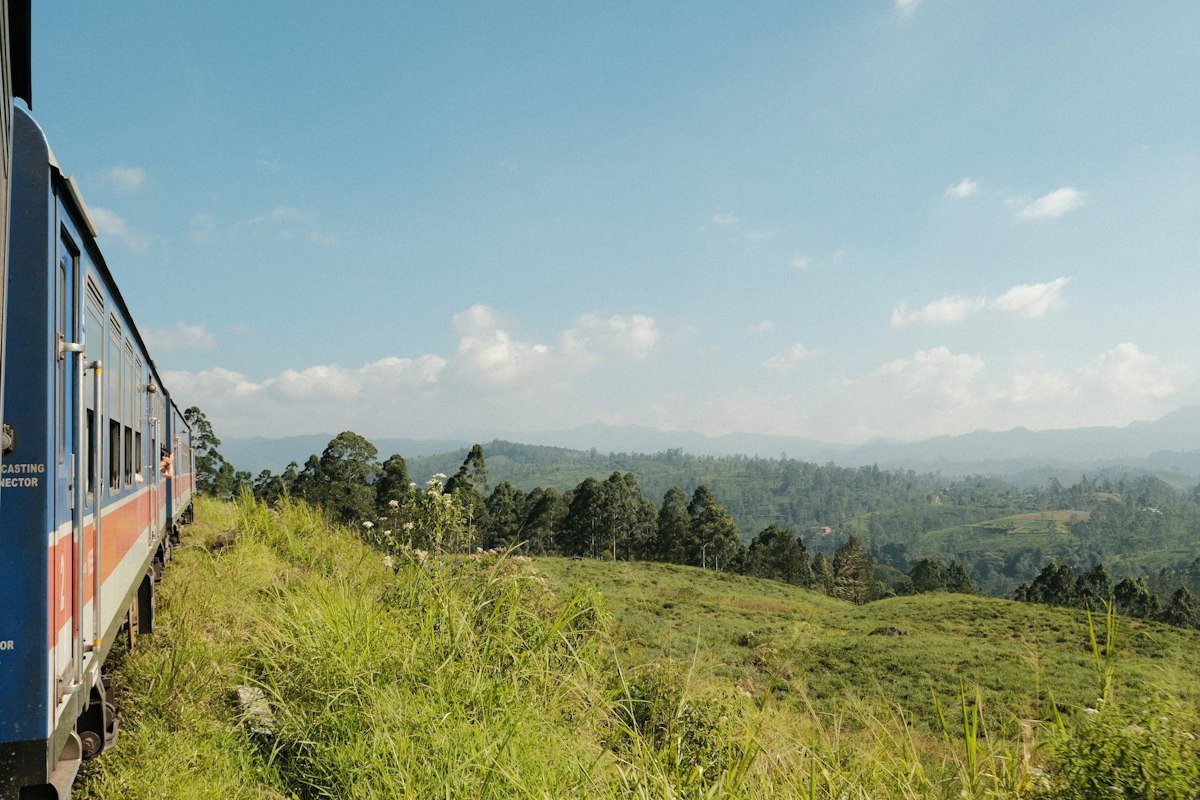
Sri Lanka Tourism describes a mix of coastal areas and cooler central highlands. If your trip includes both, a bag designed only for a beach stay will be incomplete. Begin with your itinerary and expected activities rather than a universal packing checklist.
Check forecasts near departure and ask accommodation providers about practical conditions. You may need something for rain and a cooler evening even when most of the trip is warm. Aim for clothing that combines easily, so one extra layer works with several outfits.
Choose clothing with more than one use
Light, comfortable clothes are useful for ordinary travel days. Add an outfit that meets the dress expectations of the religious sites you intend to visit, including a way to cover shoulders and knees when required. Check site-specific requirements rather than assuming one rule covers every tradition.
A compact layer can serve a hill-country evening or a cool interior. Choose footwear that suits the walking you actually plan and is manageable when footwear must be removed. Do not buy unfamiliar shoes immediately before a trip and assume they will be comfortable for long visits.
Create a day bag that stays manageable
Carry the essentials for the outing rather than everything from your main luggage. Consider water, weather protection, a charged phone, payment options and the details needed to return to your accommodation. Keep items you need often easy to reach without displaying the whole contents of the bag.
For outdoor activities, follow the operator’s specific equipment list. A general travel packing article cannot replace the preparation required for a particular hike, dive or other specialist activity. Ask what is supplied and what you must bring before leaving space in your luggage.
Think about transfers and laundry
Choose luggage you can handle at stations, accommodation entrances and stairs. Ask properties about access if you are considering a large case. Packing less can make transfers simpler, but only if you have a realistic plan for washing clothes.
Check laundry availability, turnaround and charges rather than assuming every stay offers the same service. Leave time for items to dry before a hotel change. Keep one clean change accessible on a long travel day so an unexpected delay does not require unpacking everything.
Handle documents and specialist needs separately
Keep important booking details available offline and organise travel documents so you can retrieve them at the relevant checkpoints. Check official entry, airline and customs requirements for your own circumstances; they change and are not listed as fixed rules here.
For medicines or medical equipment, follow professional advice and official carriage requirements. For electronics, check your devices and the property’s arrangements before choosing adapters. Finish by removing items that serve no planned purpose. A bag with some spare room is easier to manage and leaves space for purchases made during the visit.
Destination guides · Food & drink · Plan your trip · Responsible travel
Sources and editorial notes
Researched by LankaLiving, 5 October 2026. Planning suggestions are editorial examples, not firsthand inspection reports. Confirm changing access, prices and schedules directly. Editorial policy.
