

Galle Fort is a place to walk with attention rather than a route to complete as quickly as possible. Its streets, sea-facing edges and occupied buildings work together. Choose a modest loop, leave room to stop and remember that the attractive doorways and verandas belong to a living neighbourhood.
Read the town through its layout
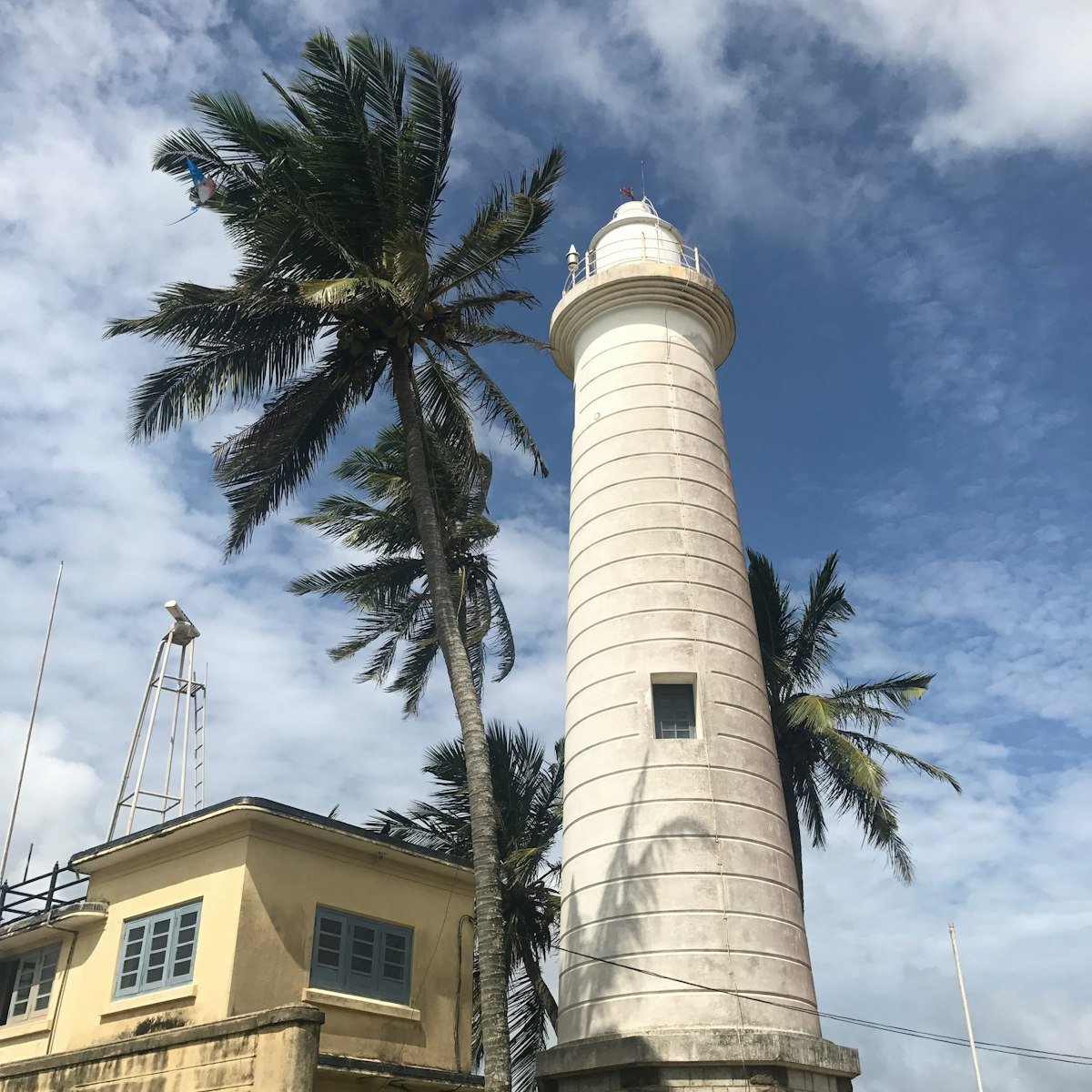
UNESCO describes Galle’s development under Portuguese and Dutch colonial rule and the interaction between European planning and South Asian building traditions. Its street grid, shaded verandas and fortifications are part of that story. The ramparts follow the shape of the coastal site rather than a perfectly regular geometric plan.
Use that context as a looking exercise. Notice the contrast between an exposed edge and a shaded street, or between a formal facade and the depth of its veranda. You can appreciate these details without entering a private building or needing to identify every architectural style.
Create a flexible loop
Start by marking your arrival point and the place where you need to finish. Add one stretch of rampart that is open to visitors, a few interior streets and a planned rest stop. This is a method for building your own walk, not a fixed turn-by-turn route through every accessible section.
If a path is closed, busy or uncomfortable, move the walk back into the streets. Do not climb barriers or follow an unofficial shortcut because a map suggests a continuous line. The point of the visit is to enjoy the town, not to prove that you have traced the entire perimeter.
Choose between a guided introduction and wandering
A guide can help explain why the town looks the way it does and how its different historical layers connect. Agree the fee, language and length before starting. Ask whether the tour focuses on architecture, history or a broad introduction, and whether any admissions are additional.
If walking independently, choose a small set of questions. How do buildings create shade? Where do streets open towards the sea? Which buildings are homes, workplaces or public institutions? Observe from public areas and avoid assuming that an open doorway is an invitation to enter.
Photograph without taking over the street
Keep entrances, pavements and vehicle routes clear. Step aside to review images rather than stopping in the middle of a narrow passage. Ask permission for close portraits of residents, workers or worshippers. A shop display can be photogenic without the people working there wanting to become part of a photo shoot.
Near the coastal edges, use positions where you can stand securely and follow posted instructions. Wind, rain and crowded viewpoints can change what feels comfortable. Keep children close and choose another angle whenever taking the photograph would require climbing or leaning beyond a protected area.
Leave room for an ordinary pause
Choose a meal or drink because the menu, price and setting suit you, not simply because the building photographs well. Check the final price and any additional charges before ordering. An unhurried break also gives you a chance to decide whether you want more walking or have already had a complete visit.
If you are staying outside the fort, confirm the return pickup point before setting out. If staying inside, ask about luggage access and the approach to the property separately from the sightseeing walk. A walkable neighbourhood does not automatically mean every vehicle can reach every doorway.
Official sources
AI-assisted editorial guide prepared 6 October 2026 using the official sources above. Planning suggestions are independent recommendations, not a firsthand inspection. Confirm changing admission, opening times and access directly before visiting.
